Astronomers using the U.S. National Science Foundation Very Large Array have captured the first-ever radio signals from a rare class of stellar explosion known as a Type Ibn supernova.
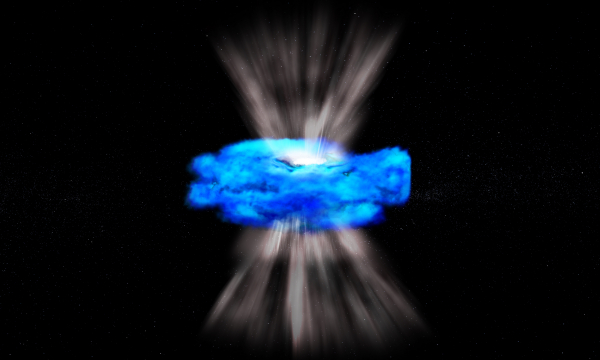

Astronomers using the U.S. National Science Foundation Very Large Array have captured the first-ever radio signals from a rare class of stellar explosion known as a Type Ibn supernova.
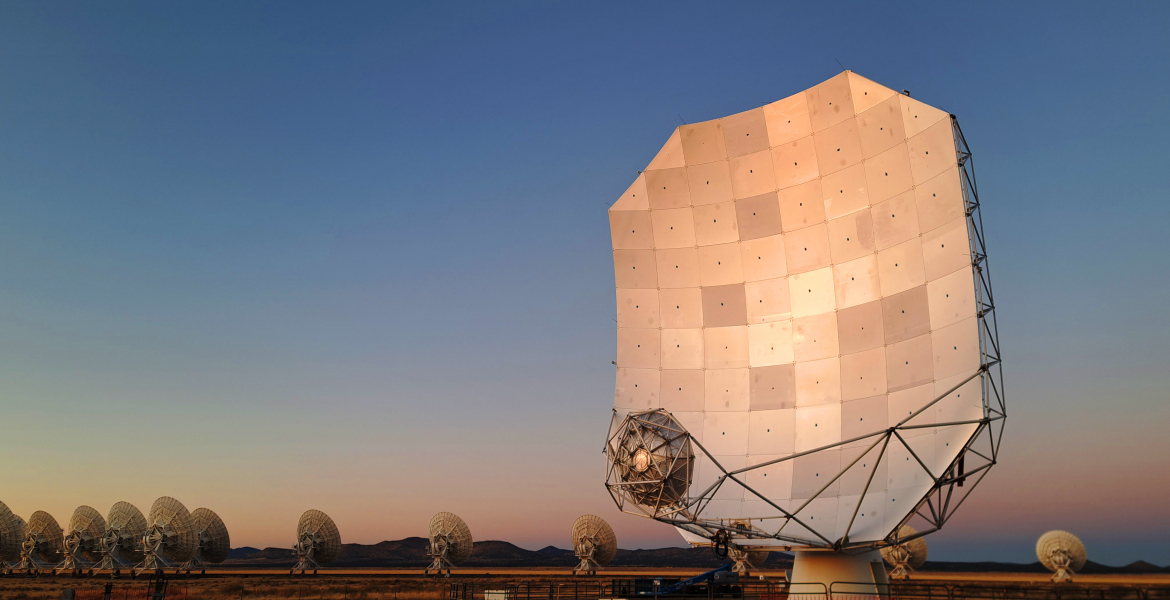
The U.S. National Science Foundation National Radio Astronomy Observatory (NSF NRAO), in partnership with several leading Mexican universities and research institutes, has announced a series of landmark agreements and meetings aimed at advancing Mexico’s role in the Next Generation Very Large Array (ngVLA) project.
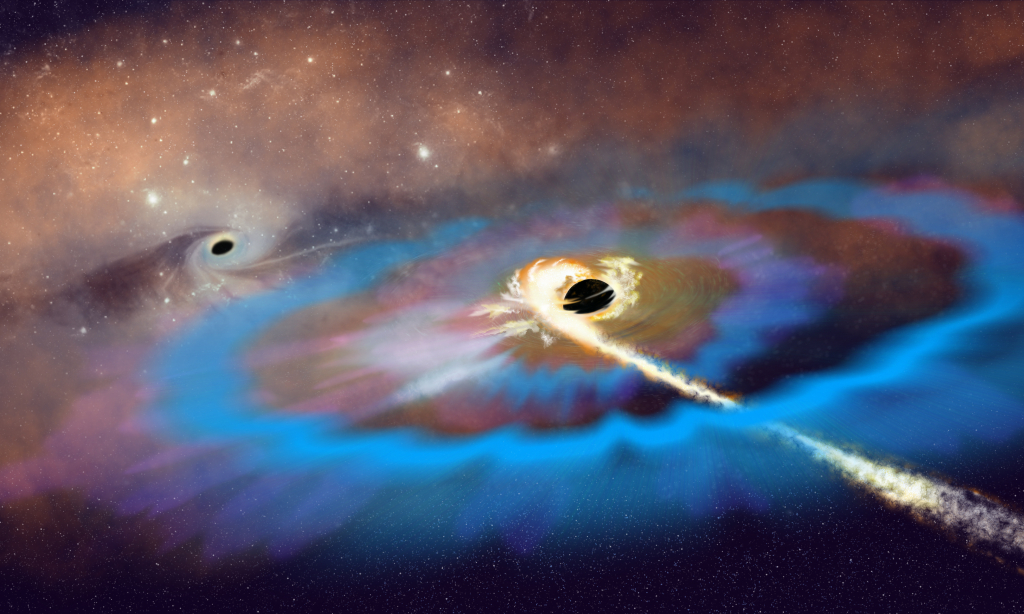
An international team of astronomers has discovered the first radio-bright tidal disruption event (TDE) occurring outside a galaxy’s center using the U.S. National Science Foundation National Radio Astronomy Observatory (NSF NRAO) Very Large Array (NSF VLA) and Atacama Large Millimeter/submillimeter Array (ALMA), along with several partner telescopes.
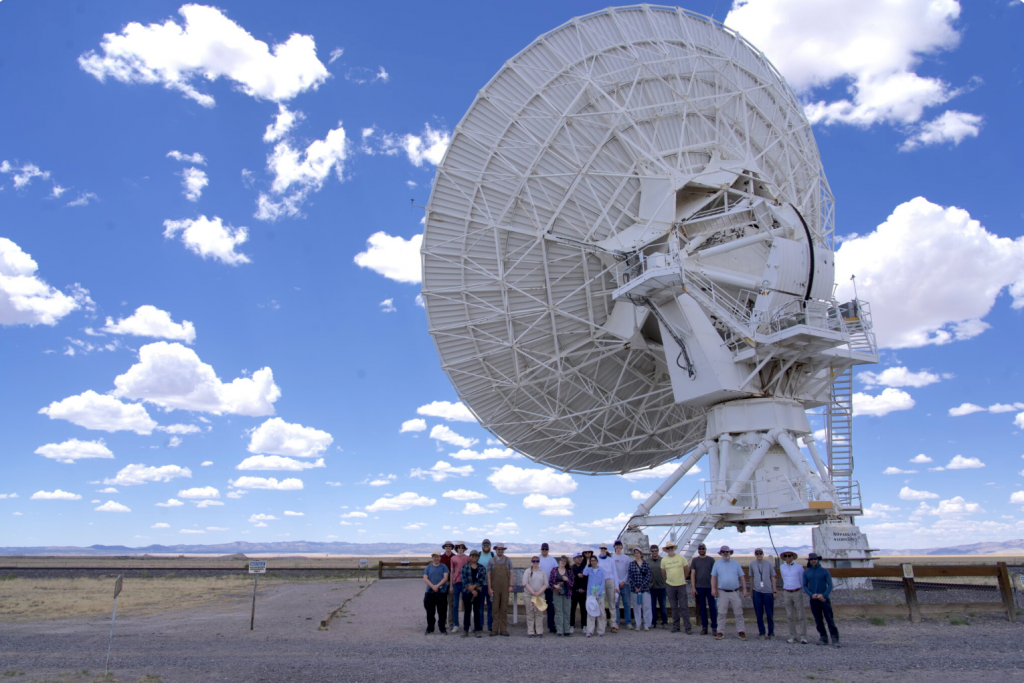
This week-long effort, conducted in July 2025, brought together researchers, students, and experts from across academia, government, and industry to study spectrum usage in the 7.125 to 7.4 GHz band.