News

VLBA Maps Turbulent ‘Weather’ in the Milky Way

VLBA Maps Turbulent ‘Weather’ in the Milky Way

Astronomers using the U.S. National Science Foundation’s Very Long Baseline Array (NSF VLBA), operated by the NSF National Radio Astronomy Observatory (NSF NRAO), have made the first clear, radio-wavelength detection of how turbulent gas in our own Galaxy distorts light from a distant quasar.

Unraveling the Mass Mystery of Orion’s Young Stars

Unraveling the Mass Mystery of Orion’s Young Stars

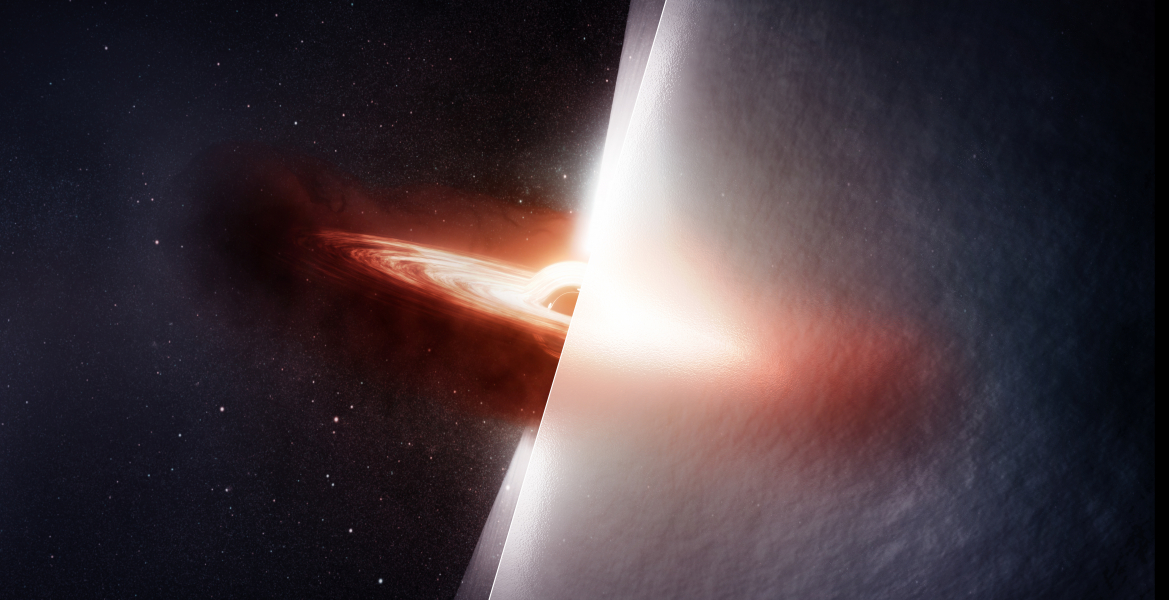
A star’s mass determines its entire life story, from how it shines to how it dies. For young stars shrouded in dust, getting an accurate mass has long been difficult…but new radio measurements are beginning to change that.

Radio Black Hole Trio Lights Up in Rare Galaxy Merger

Radio Black Hole Trio Lights Up in Rare Galaxy Merger

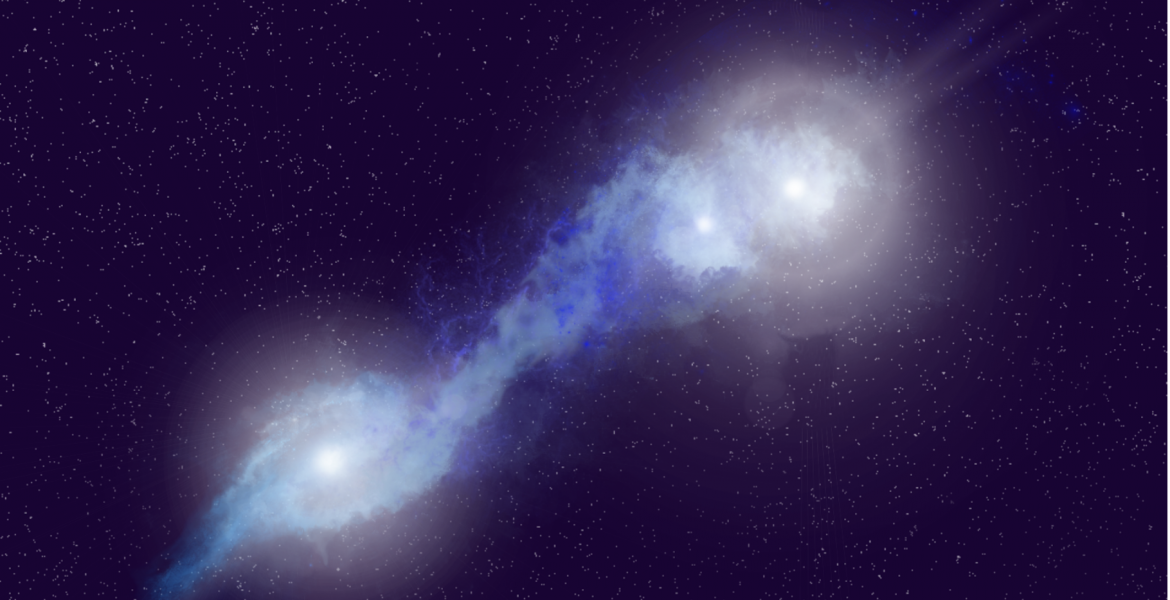
Astronomers from the U.S. Naval Research Laboratory (NRL), in conjunction with scientists from the U.S. Naval Observatory (USNO) and NASA Goddard Space Flight Center (NASA GSFC), using U.S. National Science Foundation National Radio Astronomy Observatory (NSF NRAO) instruments have confirmed the first known triple system in which all three galaxies host actively feeding, radio-bright supermassive black holes.​​

Astronomers Detect Lowest Mass Dark Object Yet in Distant Universe

Astronomers Detect Lowest Mass Dark Object Yet in Distant Universe

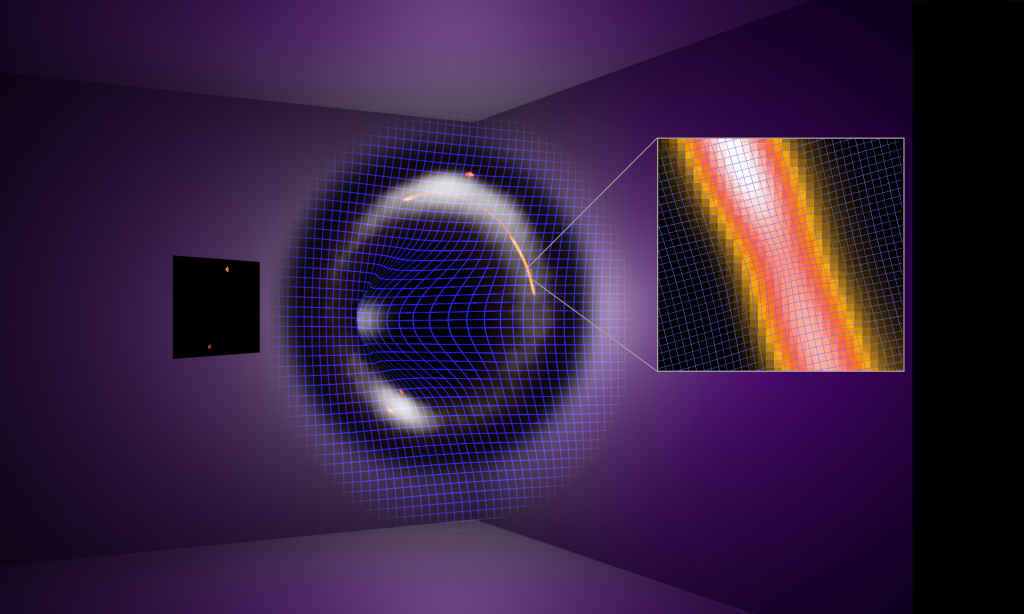
An international research team, using a worldwide network of radio telescopes, has detected an enigmatic dark object with a mass about one million times that of our Sun without observing any emitted light. This is the lowest mass dark object ever detected at a cosmological distance using only its gravitational influence.