These joint efforts support the pathfinder for ngVLA technologies, focusing on very long baseline interferometry (VLBI) capabilities that enable ultra-sharp imaging of the Universe.
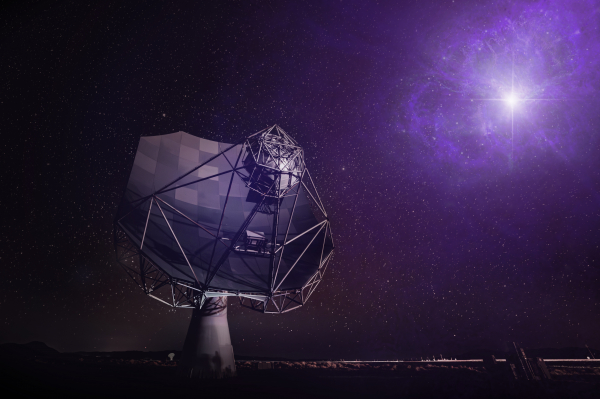

These joint efforts support the pathfinder for ngVLA technologies, focusing on very long baseline interferometry (VLBI) capabilities that enable ultra-sharp imaging of the Universe.

Using the U.S. National Science Foundation Very Large Array (NSF VLA) radio telescope, which is operated by the U. S. National Science Foundation National Radio Astronomy Observatory (NSF NRAO), the team detected polarized light from a gamma-ray burst (GRB) afterglow for the first time at radio wavelengths.
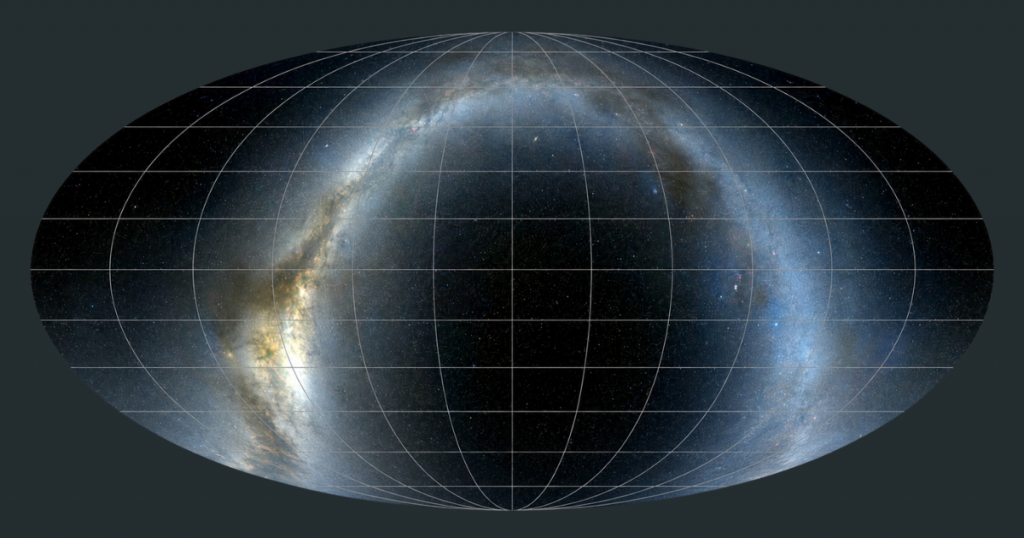
The U.S. National Science Foundation National Radio Astronomy Observatory (NSF NRAO) has completed observations for the Very Large Array Sky Survey (VLASS), the most detailed radio survey of the sky ever conducted.
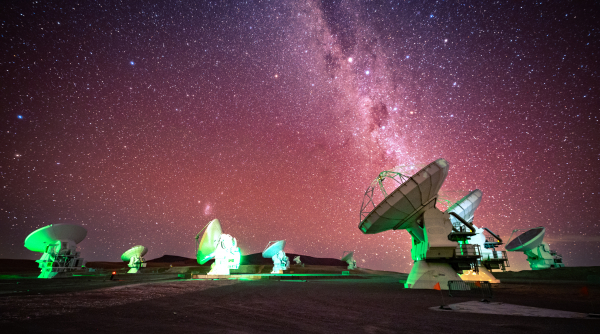
A team of astronomers found that in typical galaxies, pressure from ionized gas generated by newly formed stars drives the expansion of star-forming regions. However, whether these regions continue to grow or stall depends strongly on their surrounding environment.