
New results from the ALMA COMPASS Large Program (Complex Organic Molecules in Protostars with ALMA Spectral Surveys) show that young, still-forming stars are surrounded by a surprisingly sophisticated “chemical starter kit”, including organic molecules such as methanol that may one day enrich planets.
Recent News
Proctor Foundation for Art and Science Offers Stellar Guitar to Space Camp Auction
To celebrate the Inspiration4 Mission’s 5th Anniversary, mission pilot Dr. Sian Proctor is choosing to celebrate in a fitting way — raising funds to send community college students and faculty to Space Camp.
10 Questions: Judelyn Padgett
Meet Judelyn Padgett, a project manager at AUI headquarters.
10 Questions: Desmond Wysenyuy
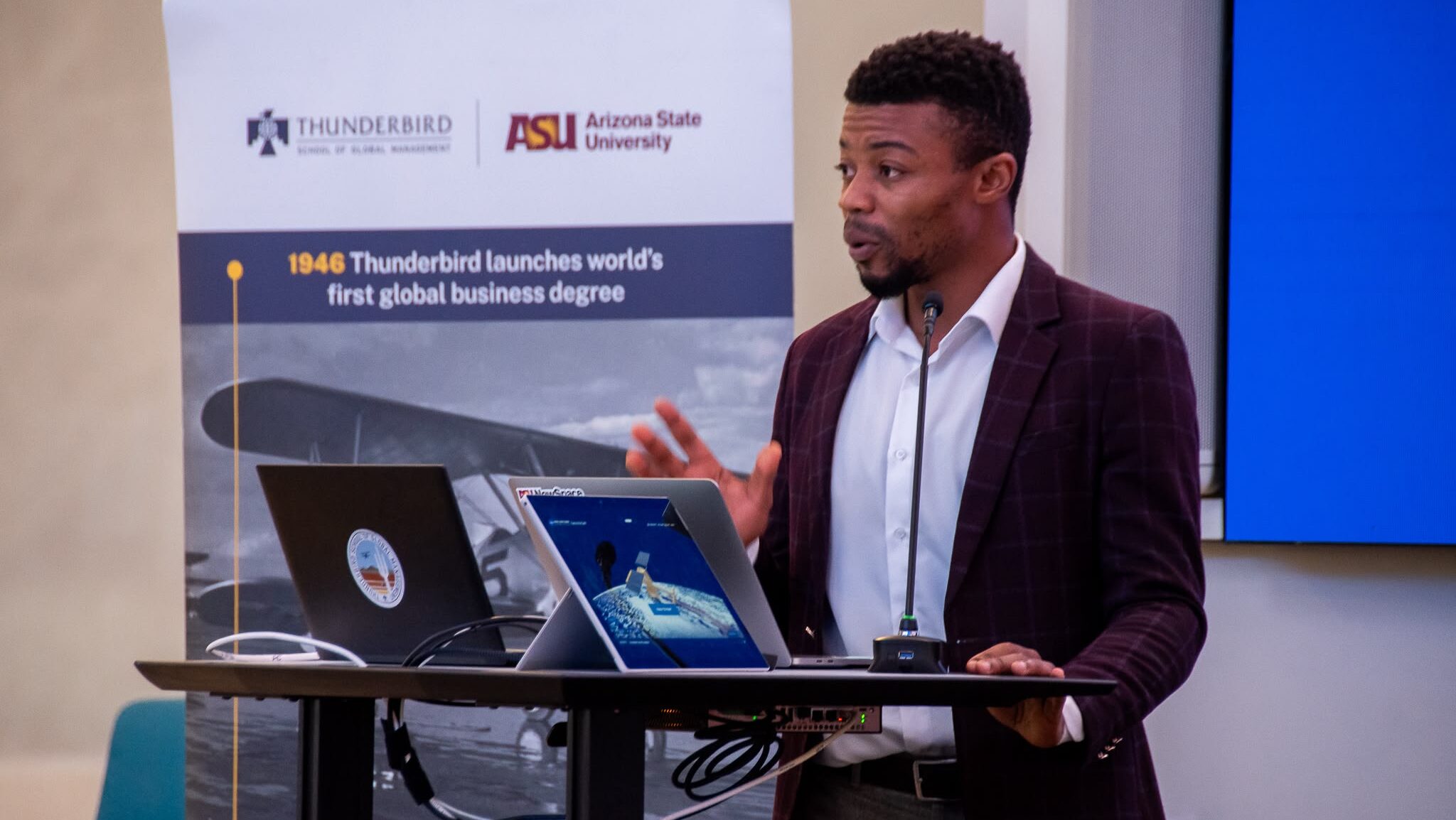
An inside look at unique careers in STEM
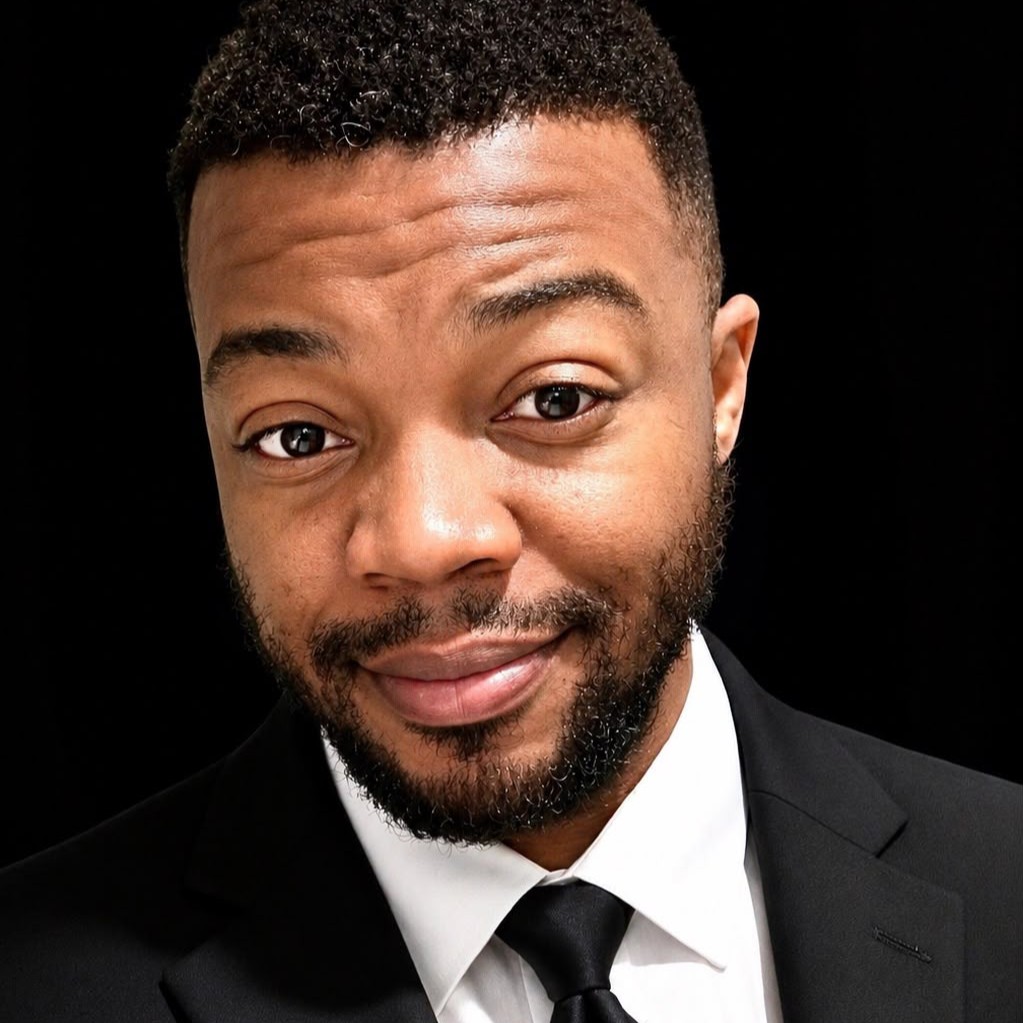
In each installment of our “10 Questions” blog series, readers will meet a staff member from AUI or one of its managed facilities, gaining insight into their career journey, what their role involves and what makes their work meaningful.
1. What is your role and what facility do you work at?
I am a program coordinator with the North America Regional Office of Astronomy for Development (NA-ROAD) at Associated Universities Inc. (AUI). My work focuses on program management, partnership building, fundraising and funder sourcing, communications, and supporting initiatives that expand access to astronomy, STEM and space science. I primarily work with the AUI team in the Washington metropolitan area, while collaborating with partners and participants across the U.S. and internationally.
2. What drew you to this field and how did you get started?
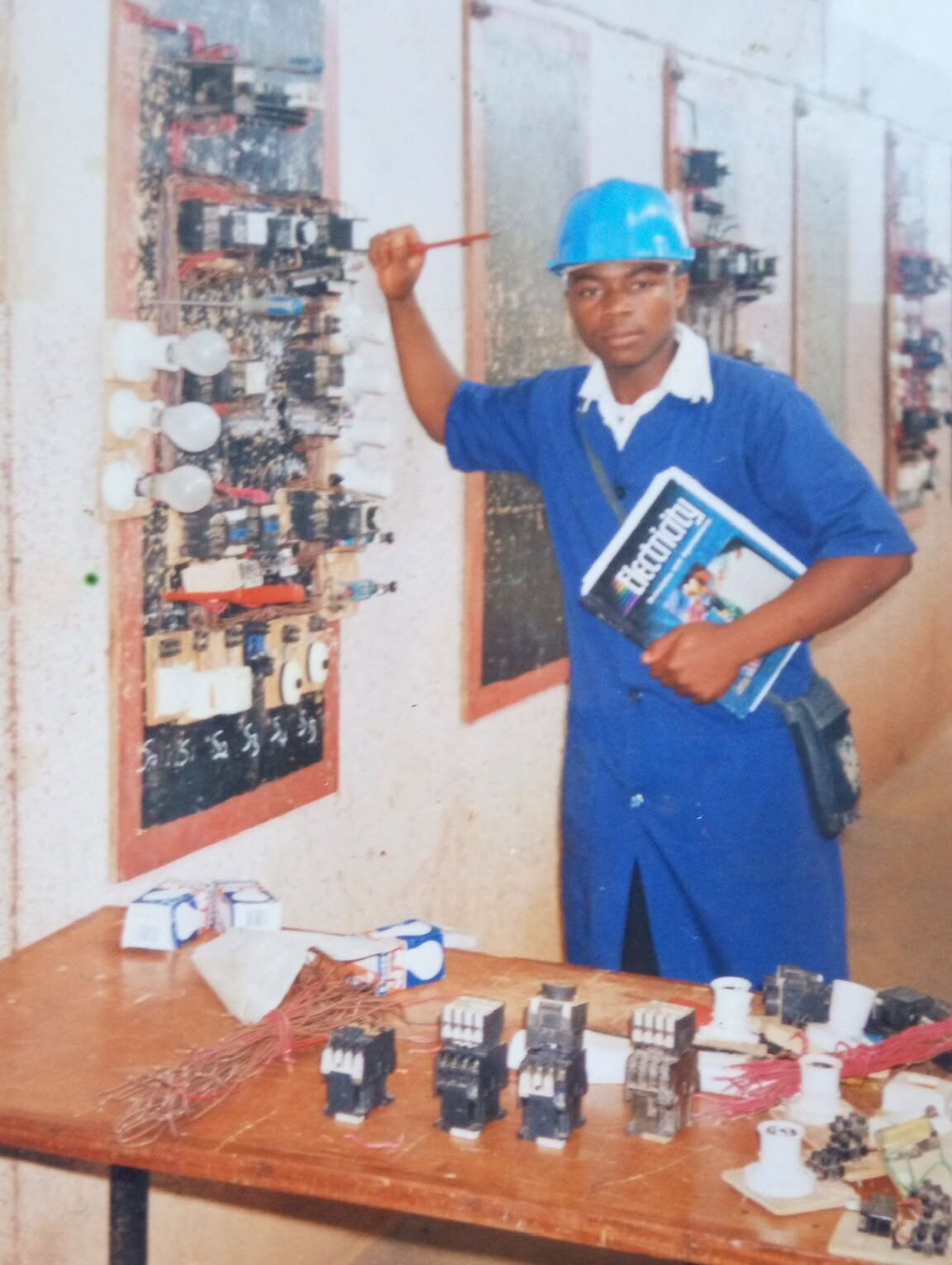
My interest in space science and technology began with my background in electrical and computer engineering (B.Eng.), with a specialty in telecommunications and electronics. I later specialized in space science and technology (MTech), focusing on satellite communication design and modeling. I began my career working on technical and engineering projects and eventually moved into international space programs and project management, including more than a decade of work with the United Nations and the broader space sector. As I became more involved in program management, I realized I needed stronger managerial skills, so I obtained an MBA to blend my technical and managerial skill sets. That combination of technical experience and program management led me naturally to my current work supporting astronomy and space-related programs.
3. Can you describe a typical workday?
No two days are exactly the same. A typical day involves coordinating with colleagues, participants and partners; following up on program activities and deliverables; preparing meetings and communications; supporting program participants; and tracking budgets and logistics. I also spend time on fundraising: sourcing prospective funders, writing grant proposals and letters of inquiry (LOIs), and connecting with contacts at other foundations. In addition, I review project information, develop reports and presentations, and help move several initiatives forward at the same time. A large part of my role is connecting people, information and resources so that programs stay on track.
4. What do you enjoy most about your job and why?
I enjoy the combination of purpose, people and problem-solving. I like taking an idea or a complex set of tasks and turning it into something organized and actionable. I also enjoy working with people from different backgrounds and countries and seeing how their contributions come together to create opportunities for others. Knowing that the programs I support can help broaden participation in astronomy and STEM makes the work meaningful. Overall, seeing the impact of my work on communities and individuals, improving their lives and creating lasting societal change is very dear to me.
5. What is your favorite part about working at AUI?
My favorite part is the opportunity to work with people who are genuinely committed to advancing science, education and inclusion. AUI brings together a strong scientific mission with programs that create opportunities for communities that may not always have easy access to astronomy and STEM. I also value the collaborative environment and the opportunity to contribute to work that has both a local and international reach.
6. What’s something about your job that most people don’t know?
A lot of program management and grant award work happens behind the scenes. People often see the final workshop, meeting or program, but significant work goes into getting everything ready, from grant writing and funder outreach to participant communications, travel logistics, budgets, schedules, partnerships, documentation, and funding disbursement. The role requires constant coordination and attention to detail, and it often means solving problems before they become visible to participants or the broader program.
7. What’s a project you’ve recently completed, and what impact do you hope it will have?
One project I recently helped support was the NA-ROAD Strategic Plan for 2026–2031. The process included stakeholder interviews and input, which were analyzed to identify key themes and priorities and resulted in strategic pillars around environmental sustainability, diplomacy and economic development. I hope the plan provides a clear framework for NA-ROAD’s next phase of growth and strengthens programs that connect astronomy, education, workforce development and broader community impact. The plan has been published on the NA-ROAD website.
8. What is the most memorable moment of your career thus far?
One of the most memorable parts of my career has been seeing my technical background in engineering and space technology evolve into international program and project management. Working across different countries and institutions — including through my experience in previous roles and, most recently, at the United Nations, Arizona State University and AUI — showed me how technical knowledge can be combined with partnerships and strong project management to create meaningful impact. It has been rewarding to see that experience continue to contribute to space and astronomy programs in the United States.
9. What’s one thing you’re excited about in the coming year at work?
I am excited about helping NA-ROAD grow its programs and partnerships, especially initiatives that expand access to astronomy and STEM for underrepresented communities. I am also looking forward to supporting the continued development of our current programs, the Women and Girls in Astronomy Program (WGAP) and Accessible Astronomy for All (AAA), along with other initiatives that connect education, inclusion, workforce development and astronomy. I am excited to see how the strategic priorities we have been developing translate into new programs, additional funding, stronger partnerships, a more recognized NA-ROAD brand and meaningful impact.
10. What’s the best career advice you’ve ever received?
The best advice I have received is to focus on creating value, building strong relationships and being willing to learn continuously. Careers do not always follow a straight line, so it is important to recognize opportunities, stay adaptable, and make the most of the skills and relationships you build along the way. I would also add, do not underestimate the power of being someone who can connect people, ideas and resources to get things done.


Recent News
Cosmic Cocktail: Exotic Methanol Discovered in Planet-Building Zones
New results from the ALMA COMPASS Large Program (Complex Organic Molecules in Protostars with ALMA Spectral Surveys) show that young, still-forming stars are surrounded by a surprisingly sophisticated “chemical starter kit”, including organic molecules such as methanol that may one day enrich planets.
Proctor Foundation for Art and Science Offers Stellar Guitar to Space Camp Auction
To celebrate the Inspiration4 Mission’s 5th Anniversary, mission pilot Dr. Sian Proctor is choosing to celebrate in a fitting way — raising funds to send community college students and faculty to Space Camp.
10 Questions: Judelyn Padgett
Meet Judelyn Padgett, a project manager at AUI headquarters.