
The Women and Girls in Astronomy Program (WGAP), led by Associated Universities, Inc. (AUI), under the North American Regional Office of Astronomy for Development (NA-ROAD), is proud to announce the selection of ten regional projects to receive funding through the 2026 cycle.
Recent News
Twisted Physics: Astronomers Solve 30-Year-Old Stellar Mystery
Astronomers using the Atacama Large Millimeter/submillimeter Array (ALMA) have captured the first direct, high-resolution images of a magnetic field wrapped tightly around the outflow of gas streaming away from a forming star — evidence that solves a decades-old puzzle about how young stars sculpt the powerful jets that form them.
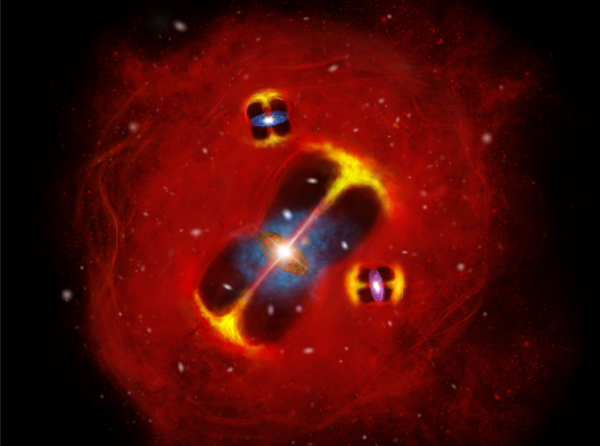
A Trillion Mile Cosmic Stream of Gas Feeds GW Orionis
A team of astronomers using the Atacama Large Millimeter/submillimeter Array (ALMA), of which the U.S. National Science Foundation National Radio Astronomy Observatory is a partner, has captured a massive stream of gas—one trillion miles, or .2 light years long—feeding the young triple-star system GW Orionis.
Making Scientific Breakthroughs Possible in 2025
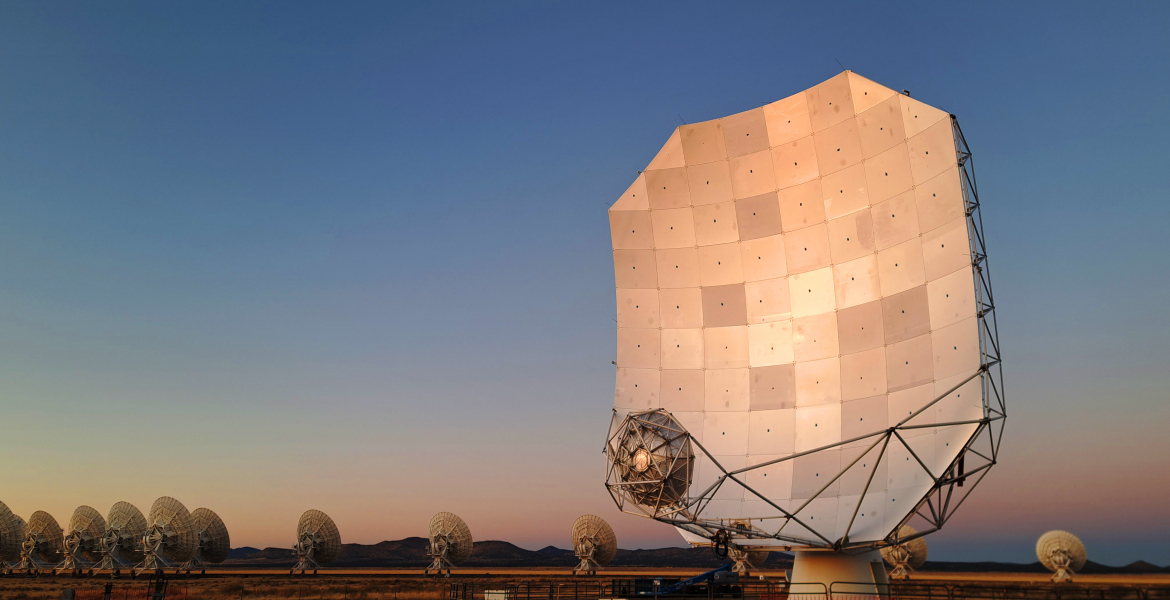
2025 was an incredibly productive year for AUI, marked by significant advances across astronomy, energy, advanced therapeutics, and STEM education and workforce development. From assembling the prototype antenna for the ngVLA to exploring solutions for national critical mineral independence, AUI has continued to make transformative contributions to science and technology. This review highlights our key achievements, partnerships and initiatives that have propelled research, education and innovation forward — thanks to the dedication of our teams, collaborators, and supporters.
Next Generation Very Large Array
A landmark event for astronomy took place on April 25, 2025, as mtex antenna technology GmbH officially handed over the prototype antenna for the proposed Next Generation Very Large Array (ngVLA) to the U.S. National Science Foundation National Radio Astronomy Observatory (NSF NRAO) at a ceremony held at the NSF Very Large Array site on the Plains of San Agustin, New Mexico.
The observatory also secured memorandums of understanding (MOUs) with multiple universities for collaboration.
Next Generation RADAR
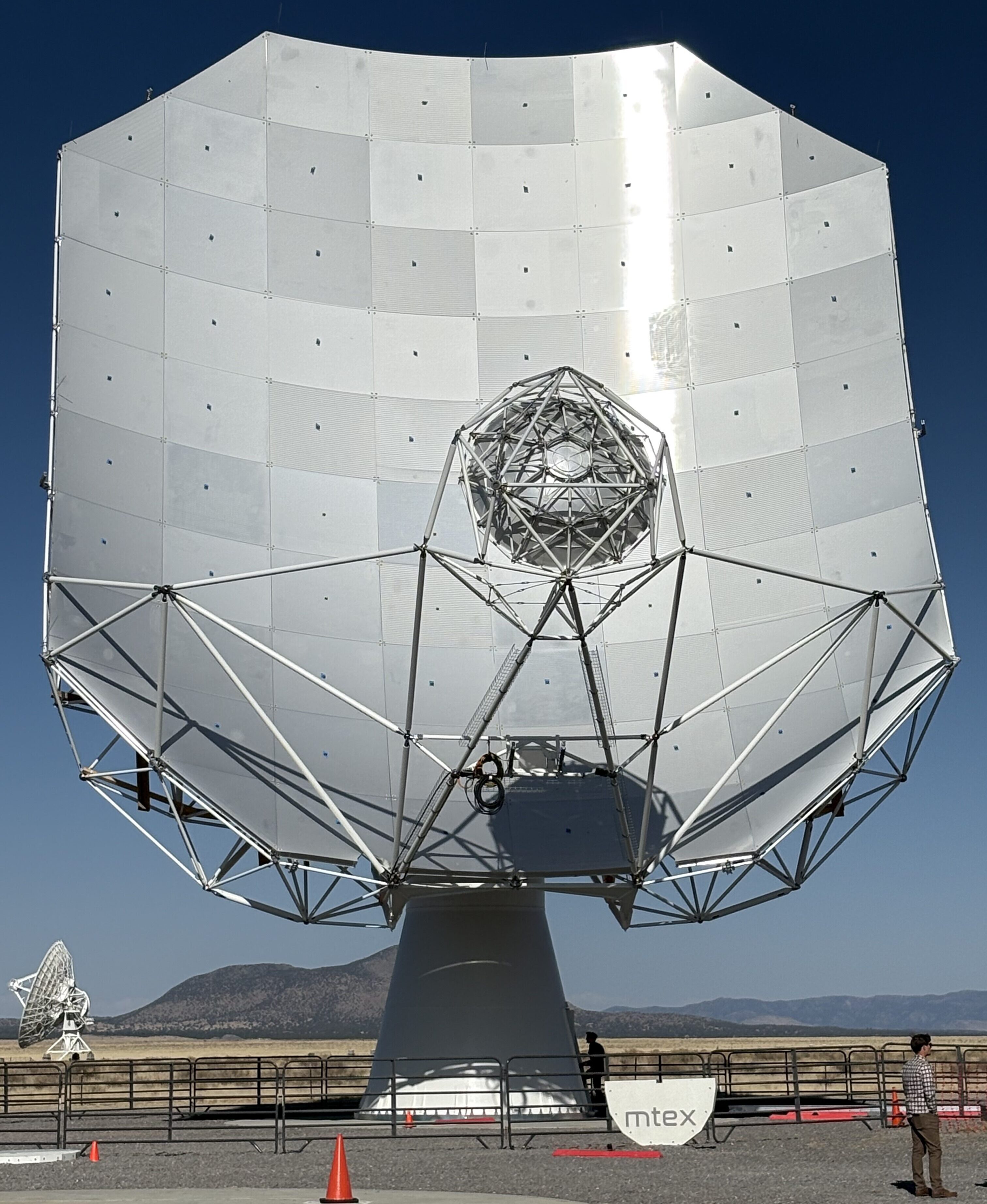
At Green Bank Observatory, the Next Generation RADAR system (ngRADAR) is maintaining space situational awareness for planetary defense, planetary science and space domain awareness.
ALMA Observatory
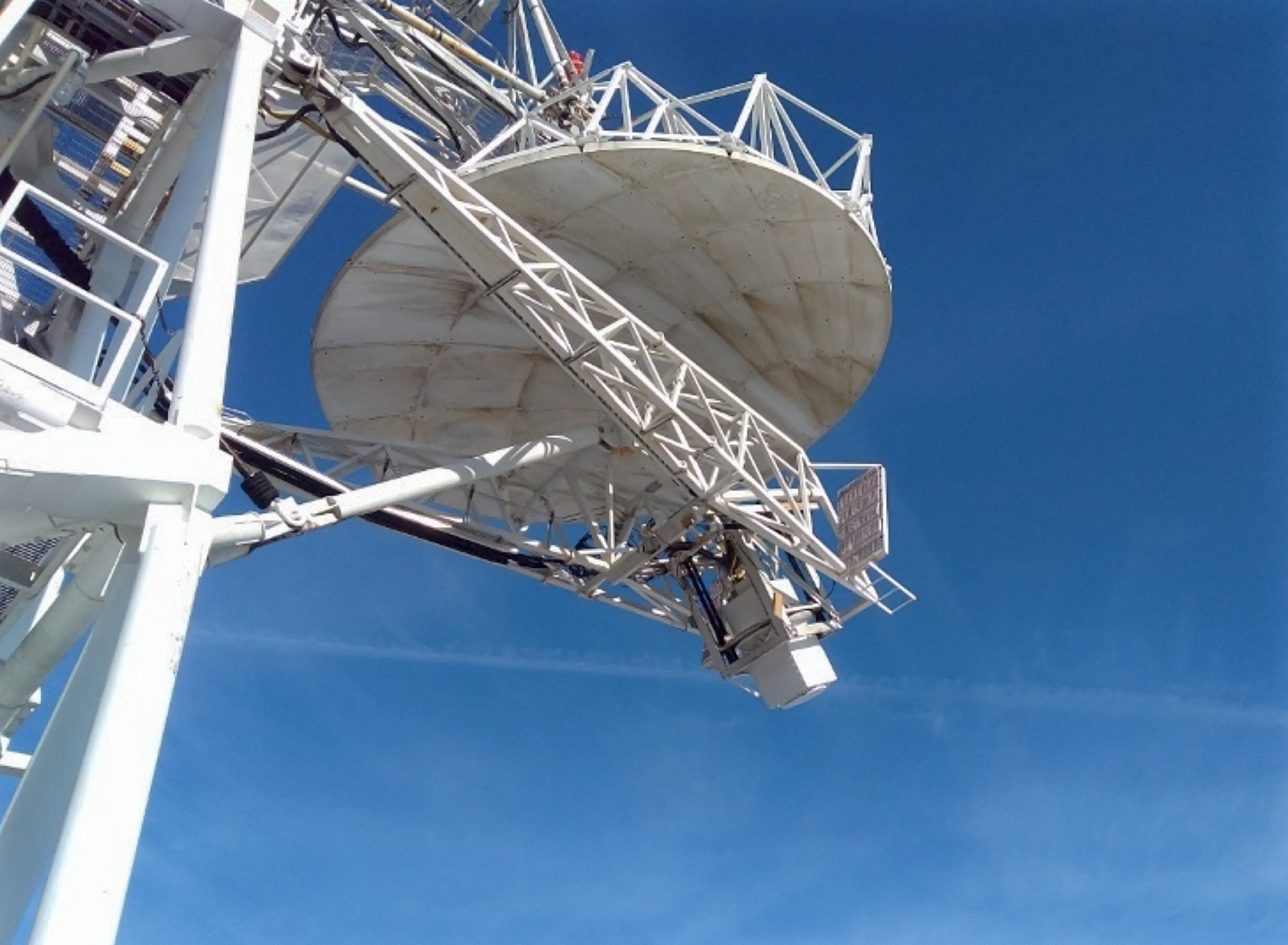
A wideband sensitivity upgrade has begun on the Atacama Large Millimeter/submillimeter Array (ALMA). This modernization represents a technological leap forward, enabling ALMA to observe the universe with unprecedented precision and efficiency. By increasing the range and sensitivity of its observations, ALMA will unlock an entirely new realm of possibilities for understanding the cosmos.
ALMA also produced numerous discoveries, publications and achievements this year.
National Radio Astronomy Observatory
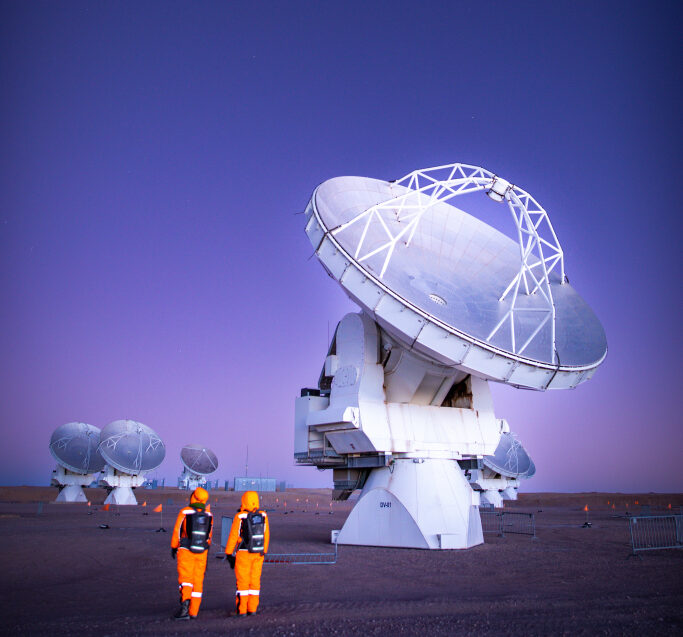
Research using U.S. National Science Foundation National Radio Astronomy Observatory (NSF NRAO) telescopes has now been cited over one million times in scientific literature.
Additionally, AUI was asked for a proposal to extend the NRAO-AUI cooperative agreement, which is currently under review.
IMCA-CAT
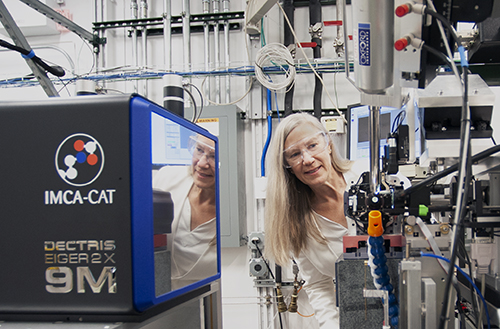
This April, we began managing the Industrial Macromolecular Crystallography Association – Collaborative Access Team (IMCA-CAT), a synchrotron research center at Argonne National Laboratory, while it received beamline upgrades.
Center for American Supply Chain Resilience
AUI partnered with Utah Mining Association, World Trade Center Utah, 47G, and many others in academia and government to attract critical mineral R&D infrastructure and lead America towards critical mineral independence.

BEACONS & Livy
Performed battery supply chain analysis for BEACONS and spun off a new company, Livy, along with LEAP Manufacturing.

Education & Public Engagement
Deepened collaborative networks through ASTRO ACCEL and Cosmovisions Phase II, and worked with the U.S. Department of Defense to design and implement an Unidentified Anomalous Phenomena (UAP) Workshop in support of a rigorous scientific framework and a data-driven approach to the study of UAP.


Recent News
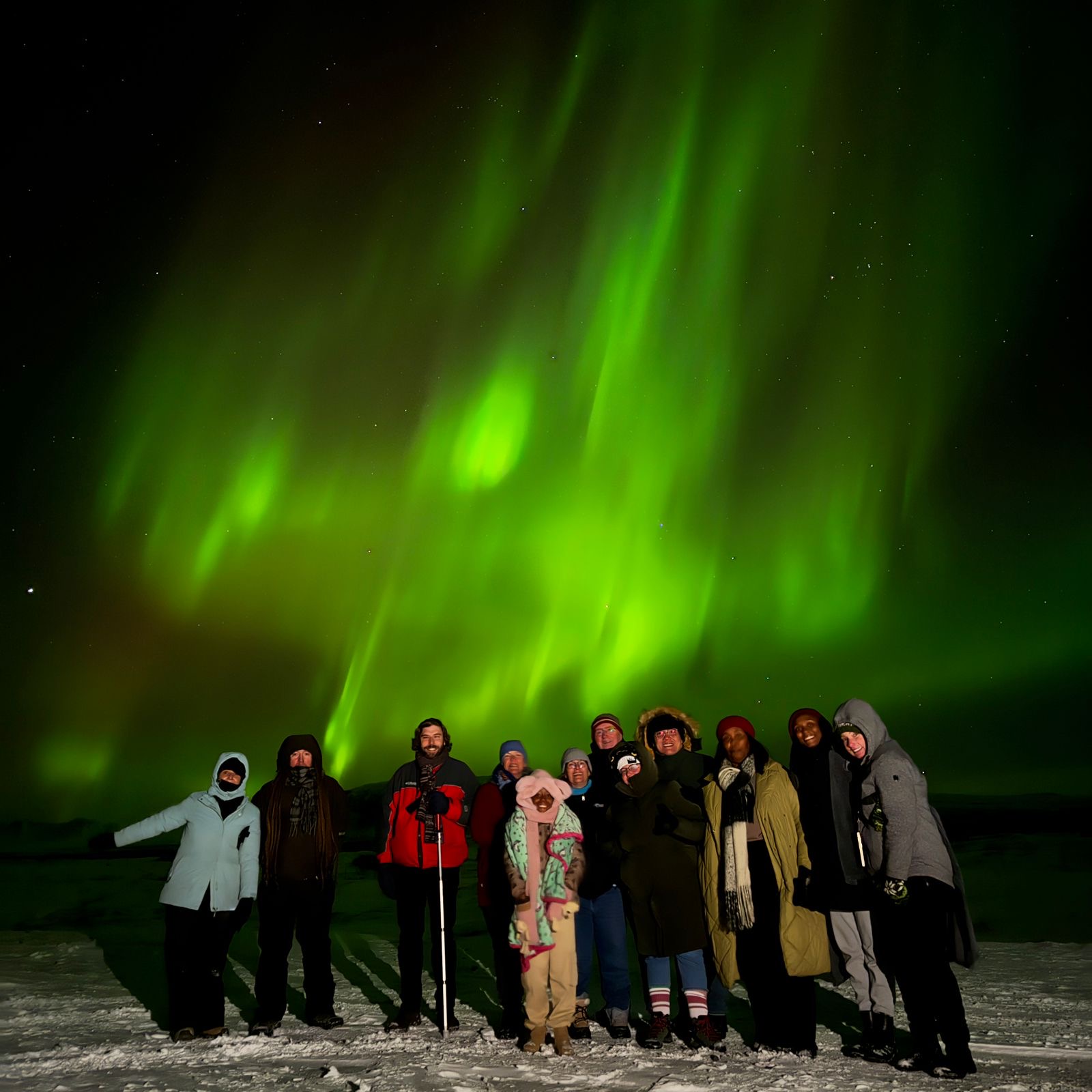
NA-ROAD Announces the 2026 Women and Girls in Astronomy Program Cohort
The Women and Girls in Astronomy Program (WGAP), led by Associated Universities, Inc. (AUI), under the North American Regional Office of Astronomy for Development (NA-ROAD), is proud to announce the selection of ten regional projects to receive funding through the 2026 cycle.
Twisted Physics: Astronomers Solve 30-Year-Old Stellar Mystery
Astronomers using the Atacama Large Millimeter/submillimeter Array (ALMA) have captured the first direct, high-resolution images of a magnetic field wrapped tightly around the outflow of gas streaming away from a forming star — evidence that solves a decades-old puzzle about how young stars sculpt the powerful jets that form them.
A Trillion Mile Cosmic Stream of Gas Feeds GW Orionis
A team of astronomers using the Atacama Large Millimeter/submillimeter Array (ALMA), of which the U.S. National Science Foundation National Radio Astronomy Observatory is a partner, has captured a massive stream of gas—one trillion miles, or .2 light years long—feeding the young triple-star system GW Orionis.