News

Young Planet Makes a Scene

Young Planet Makes a Scene

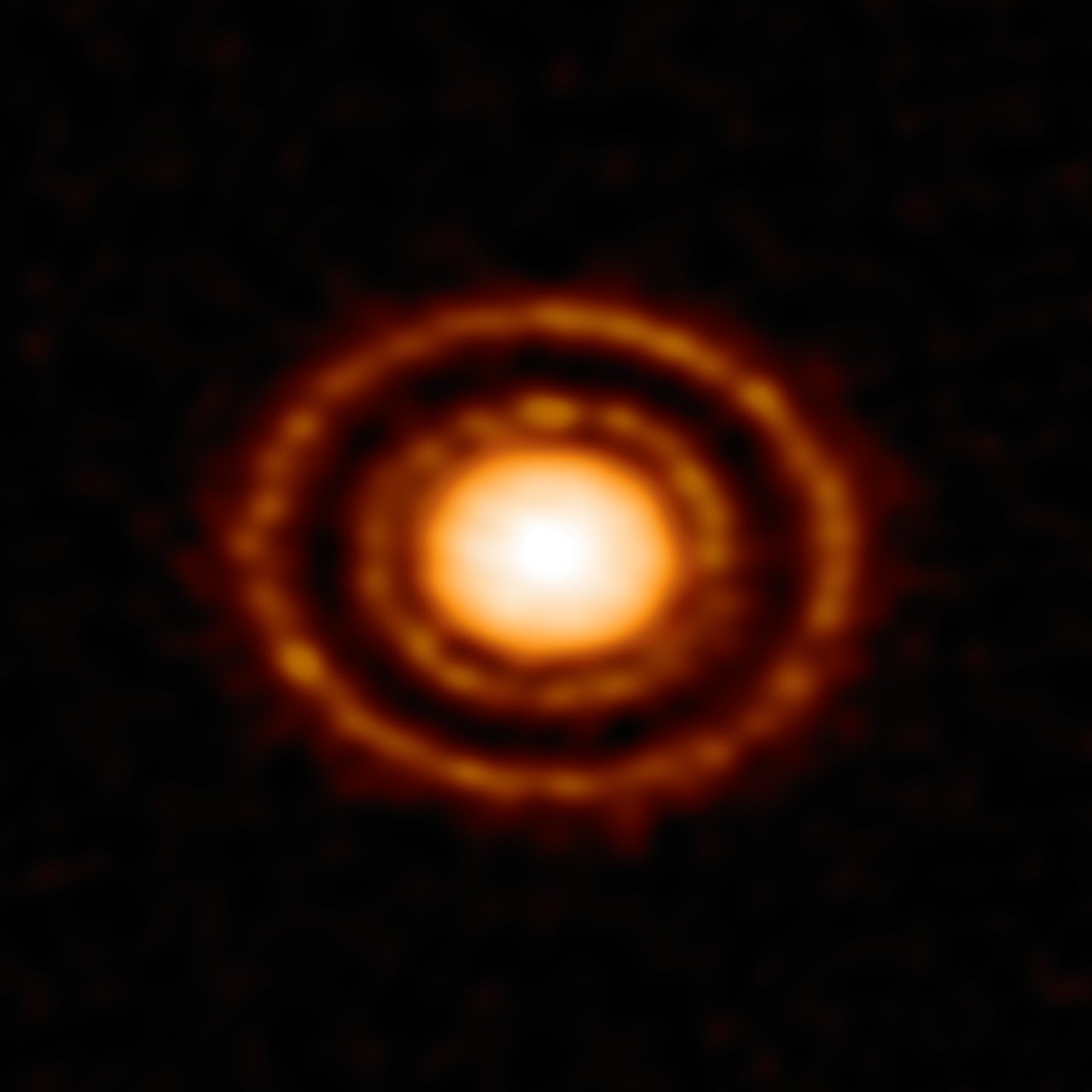
Nestled in the Ophiuchus star-forming region, 410 light-years from the Sun, a protoplanetary disk is slowly taking shape. Dust emission from AS 209 reveals a curious pattern of rings and gaps surrounding the young star. Protoplanetary disks are composed of gas and dust particles, forming after the collapse of a molecular cloud. As matter from the...
Powerful Flare from Star Proxima Centauri Detected with ALMA

Powerful Flare from Star Proxima Centauri Detected with ALMA

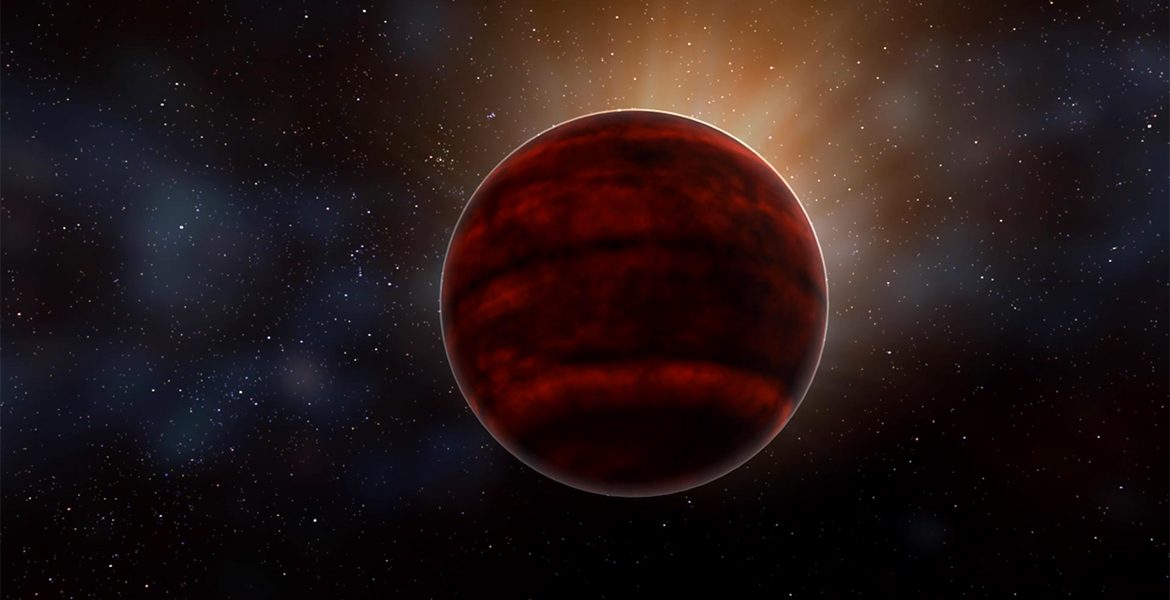
Space weather emitted by Proxima Centauri, the star closest to our sun, may make that system rather inhospitable to life after all. Using data from the Atacama Large Millimeter/submillimeter Array (ALMA), a team of astronomers discovered that a powerful stellar flare erupted from Proxima Centauri last March. This finding, published in the...

ACEAP ambassadors visit NSF funded observatories in Chile

ACEAP ambassadors visit NSF funded observatories in Chile

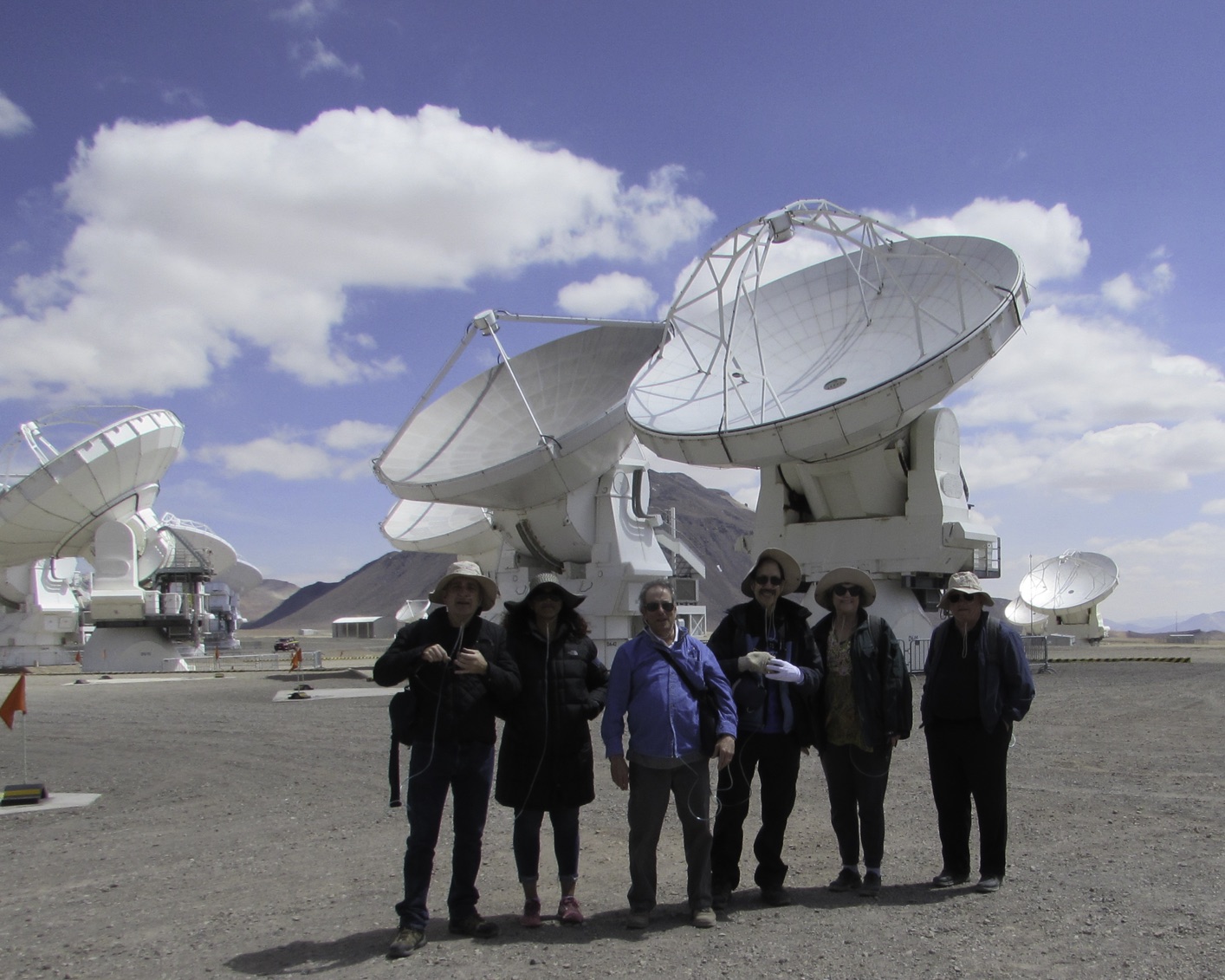
This last week a team of four outreach and education professionals from the United States undertook a 10-day expedition to key astronomy research sites in Chile. The outreach professionals were selected to be part of the 2018 Astronomy in Chile Educator Ambassadors Program (ACEAP), an immersive astronomy outreach and awareness program. The core...

Stellar Embryos in Nearby Dwarf Galaxy Contain Surprisingly Complex Organic Molecules

Stellar Embryos in Nearby Dwarf Galaxy Contain Surprisingly Complex Organic Molecules

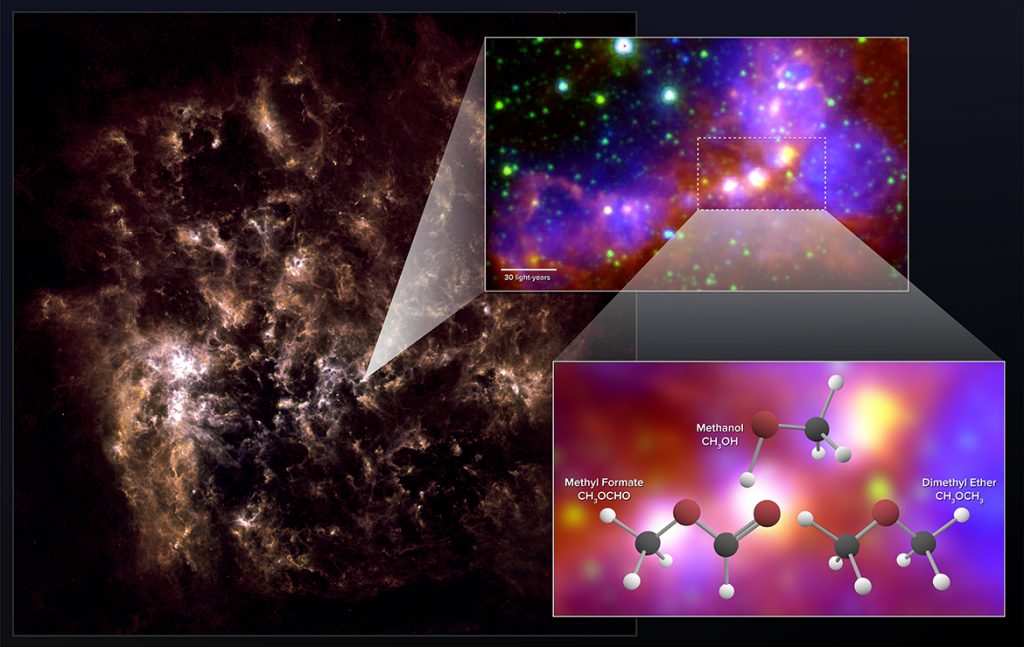
The nearby dwarf galaxy known as the Large Magellanic Cloud (LMC) is a chemically primitive place. Unlike the Milky Way, this semi-spiral collection of a few tens-of-billions of stars lacks our galaxy’s rich abundance of heavy elements, like carbon, oxygen, and nitrogen. With such a dearth of heavy elements, astronomers predict that the LMC...