News

Powerful Flare from Star Proxima Centauri Detected with ALMA

Powerful Flare from Star Proxima Centauri Detected with ALMA

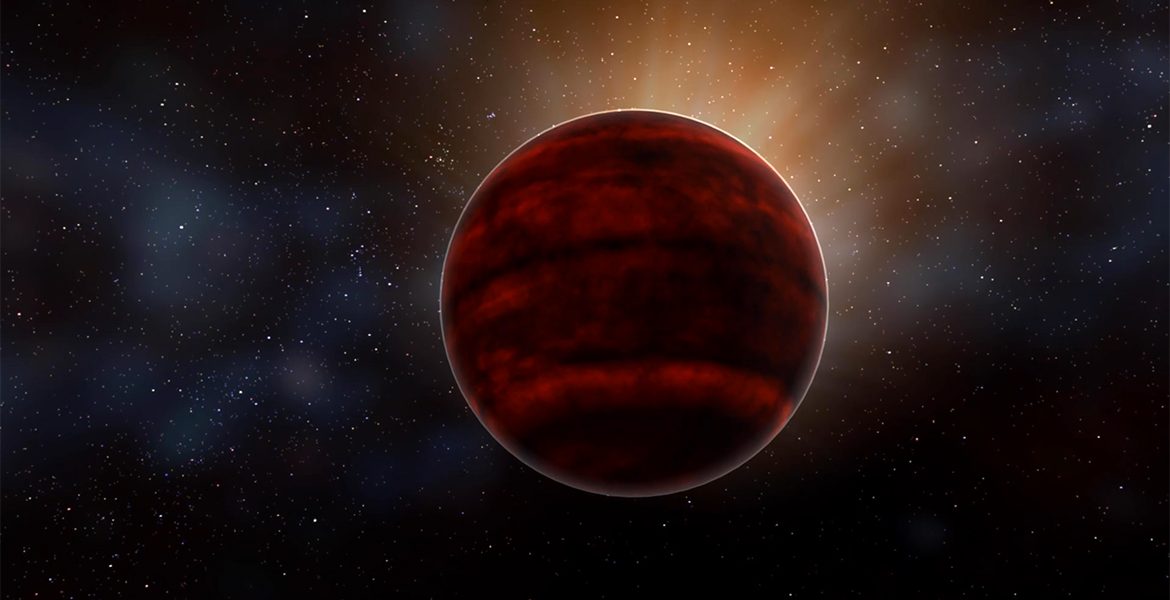
Space weather emitted by Proxima Centauri, the star closest to our sun, may make that system rather inhospitable to life after all. Using data from the Atacama Large Millimeter/submillimeter Array (ALMA), a team of astronomers discovered that a powerful stellar flare erupted from Proxima Centauri last March. This finding, published in the...
ACEAP ambassadors visit NSF funded observatories in Chile

ACEAP ambassadors visit NSF funded observatories in Chile

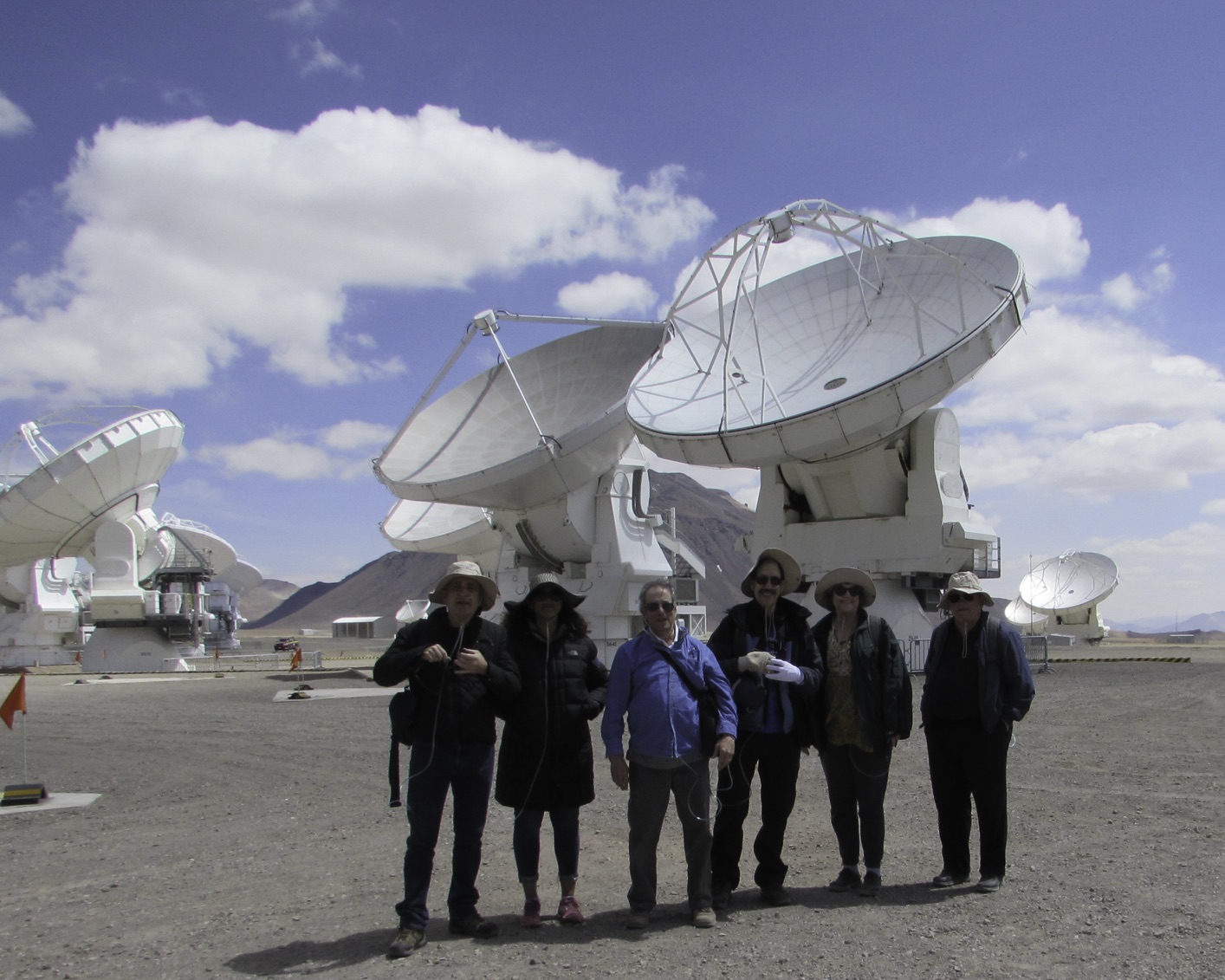
This last week a team of four outreach and education professionals from the United States undertook a 10-day expedition to key astronomy research sites in Chile. The outreach professionals were selected to be part of the 2018 Astronomy in Chile Educator Ambassadors Program (ACEAP), an immersive astronomy outreach and awareness program. The core...

Stellar Embryos in Nearby Dwarf Galaxy Contain Surprisingly Complex Organic Molecules

Stellar Embryos in Nearby Dwarf Galaxy Contain Surprisingly Complex Organic Molecules

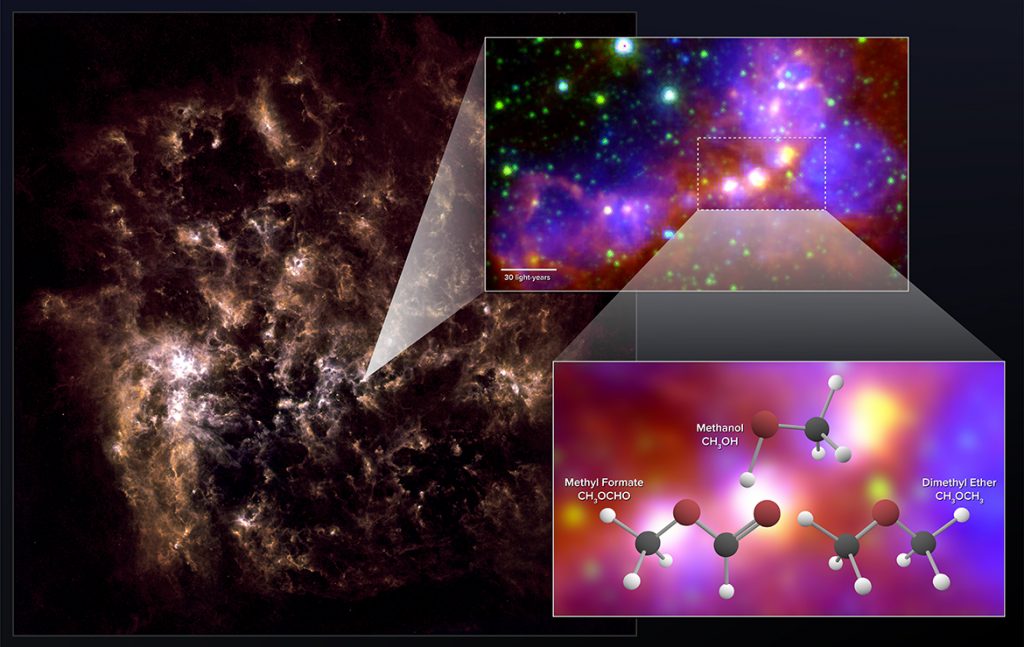
The nearby dwarf galaxy known as the Large Magellanic Cloud (LMC) is a chemically primitive place. Unlike the Milky Way, this semi-spiral collection of a few tens-of-billions of stars lacks our galaxy’s rich abundance of heavy elements, like carbon, oxygen, and nitrogen. With such a dearth of heavy elements, astronomers predict that the LMC...

GBT Detection Unlocks Exploration of ‘Aromatic’ Interstellar Chemistry

GBT Detection Unlocks Exploration of ‘Aromatic’ Interstellar Chemistry

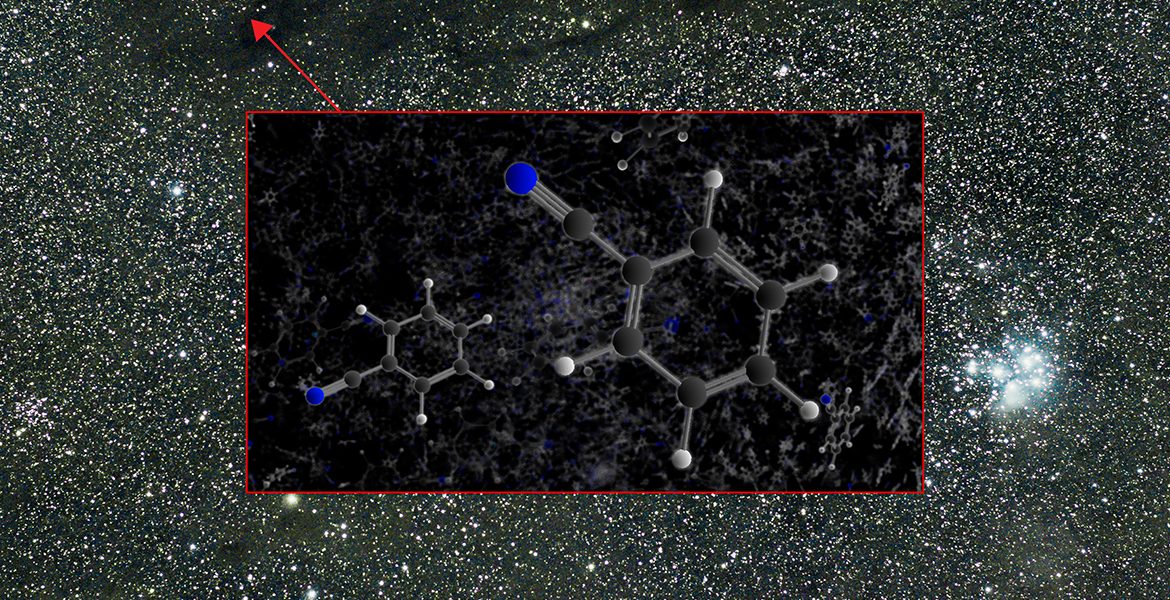
Summary: Astronomers using the Green Bank Telescope have made the first definitive interstellar detection of benzonitrile, an intriguing organic molecule that helps to chemically link simple carbon-based molecules and truly massive ones known as polycyclic aromatic hydrocarbons. This discovery is a vital clue in a 30-year-old mystery: identifying...