Astronomers have created a detailed forecast of where they expect to observe future stellar explosions in a nearby galaxy, opening a new window into how exploding stars shape the cosmos.
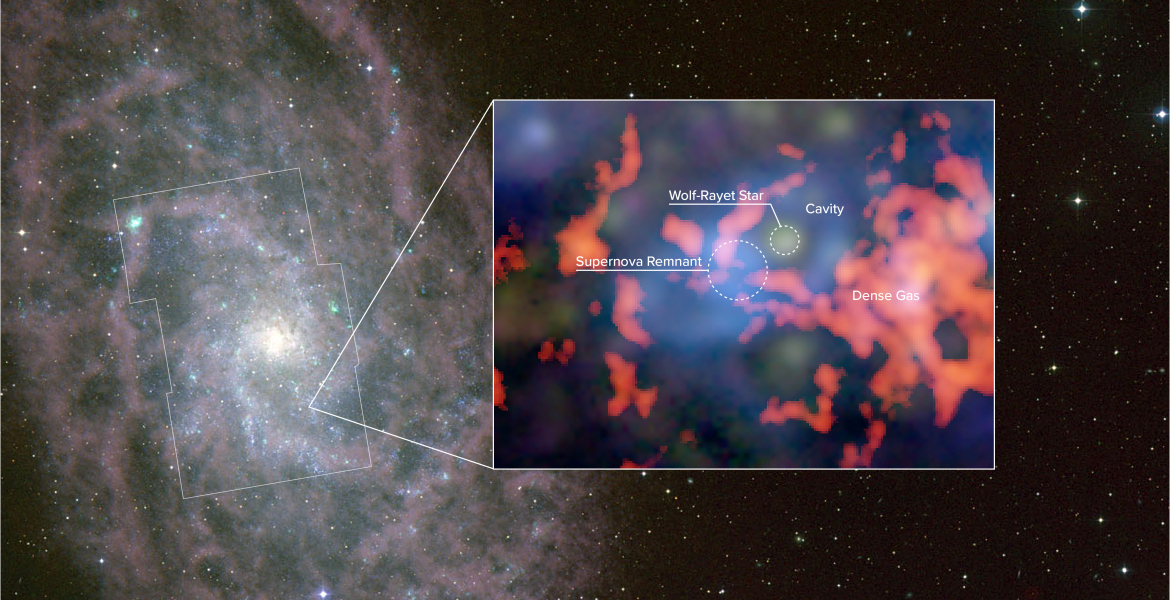

Astronomers have created a detailed forecast of where they expect to observe future stellar explosions in a nearby galaxy, opening a new window into how exploding stars shape the cosmos.
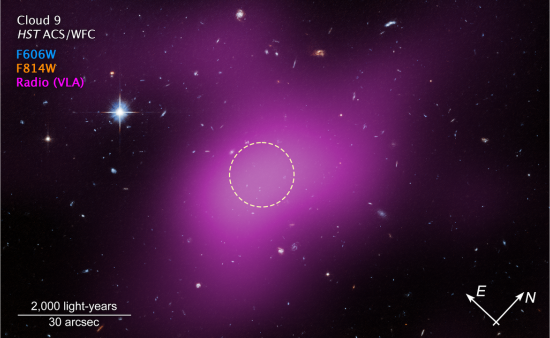
Astronomers using a powerful combination of radio and optical telescopes have confirmed that a peculiar gas cloud near the spiral galaxy M94 is a “failed” galaxy; a dark-matter-dominated halo filled with gas but entirely lacking stars.
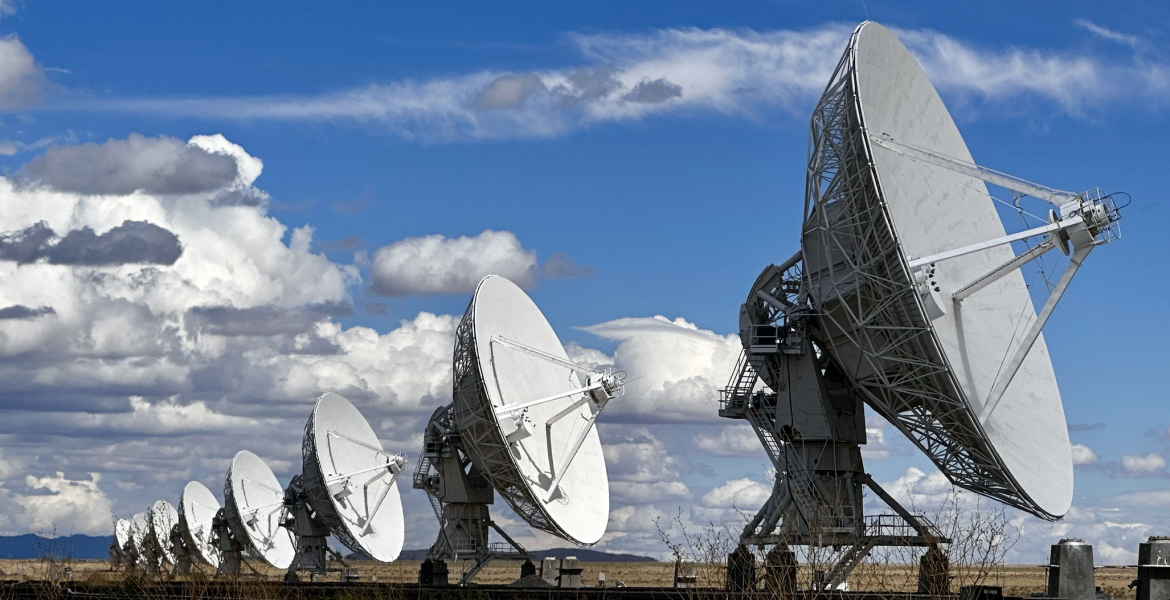
Astronomers using the U.S. National Science Foundation National Radio Astronomy Observatory (NSF NRAO) instruments Atacama Large Millimeter/submillimeter Array (ALMA) and, the U.S. National Science Foundation Very Large Array (NSF VLA), and the W. M. Keck Observatory have uncovered the hidden lives of some of the most massive galaxies in the early Universe, revealing that while some shut down star formation quickly, others continue forming stars behind thick veils of cosmic dust.
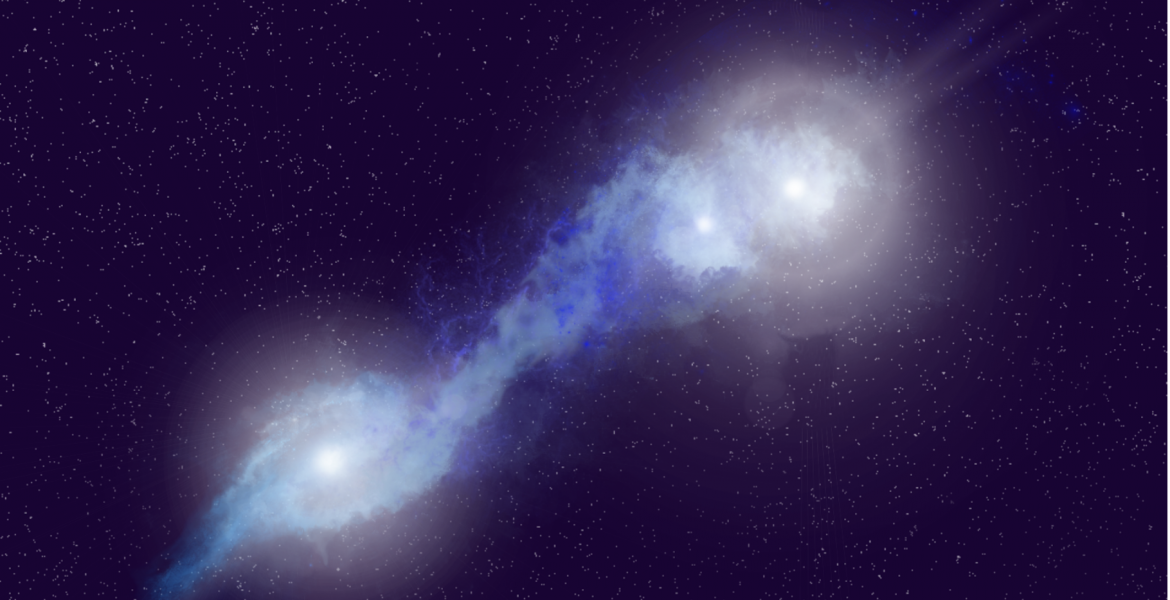
Astronomers from the U.S. Naval Research Laboratory (NRL), in conjunction with scientists from the U.S. Naval Observatory (USNO) and NASA Goddard Space Flight Center (NASA GSFC), using U.S. National Science Foundation National Radio Astronomy Observatory (NSF NRAO) instruments have confirmed the first known triple system in which all three galaxies host actively feeding, radio-bright supermassive black holes.